
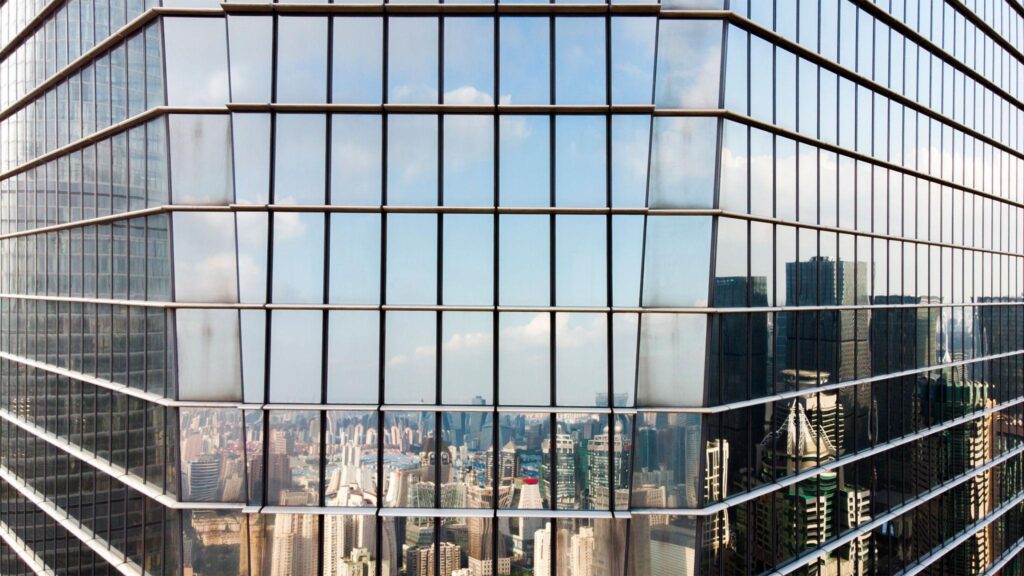
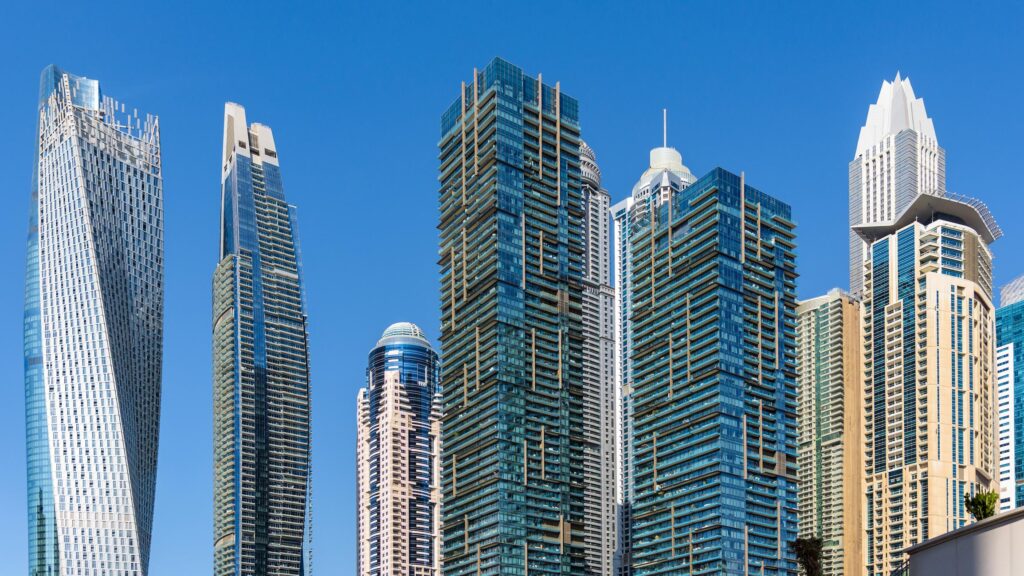
Glass towers have long stood as symbols of progress. They define skylines, attract investment, and project the image of globally connected, modern cities. However, behind their sleek and transparent façades lies a critical contradiction—one that challenges their relationship with climate and sustainability.
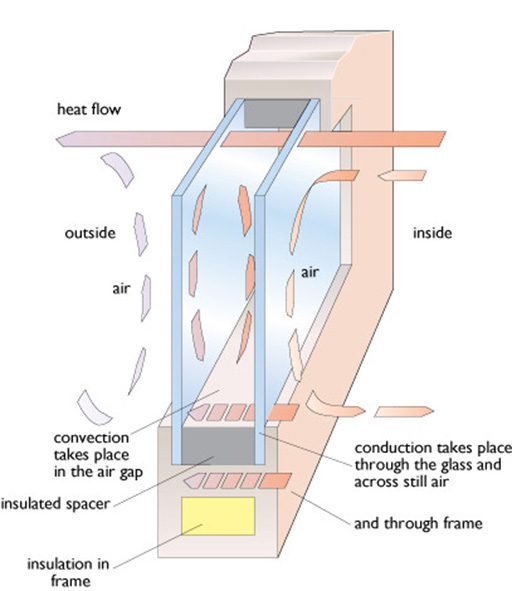
In many ways, all-glass buildings work against the environments they occupy. As highlighted in your original note , in warmer climates, extensive glazing leads to increased solar heat gain, driving higher cooling loads and energy consumption. Conversely, in colder regions, glass façades often struggle with insulation, resulting in heat loss and reduced thermal efficiency. What appears visually seamless and futuristic often becomes an ongoing battle against natural conditions.
Architecture, Identity, and Responsibility
As Norman Foster aptly stated, “Architecture is an expression of values—the way we build reflects the way we live.” Glass, as a material, has opened buildings to light, views, and transparency. Yet today, the challenge lies in balancing these aesthetic aspirations with environmental responsibility.
The question is no longer whether glass should be used, but how intelligently it can be integrated into sustainable design
The Shift Towards High-Performance Façades
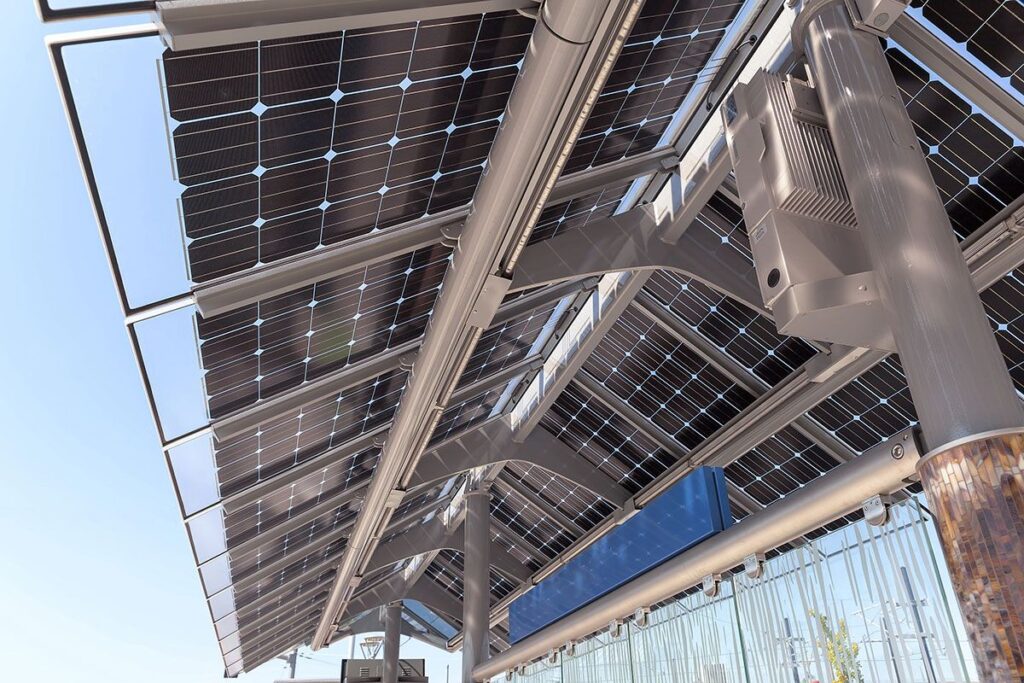
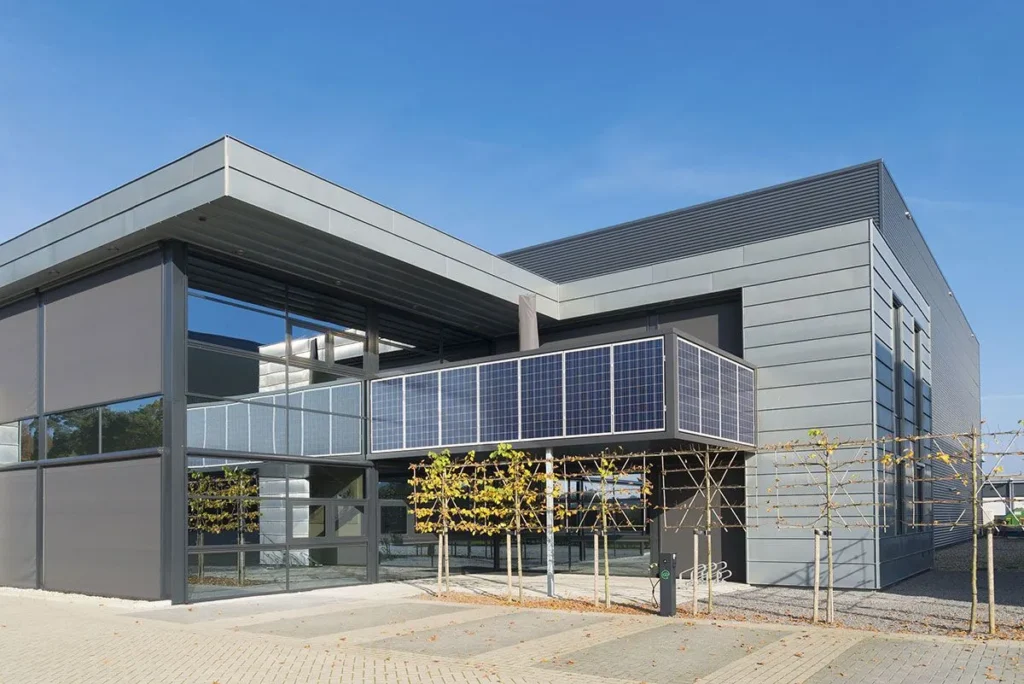
Emerging technologies are redefining the role of glass in architecture. One of the most promising innovations is the development of photovoltaic (PV) glass or “solar skins.”
These advanced systems transform traditional façades into active energy-generating surfaces. Unlike conventional rooftop solar panels, solar skins are:
- Seamlessly integrated into curtain walls
- Customizable in transparency and appearance
- Capable of generating clean energy while controlling solar gain
This evolution marks a shift—from passive envelopes to multi-functional building systems.
From Envelope to Energy Asset
With the integration of PV glass:
- Façades contribute directly to on-site energy generation
- Buildings reduce dependency on grid power
- HVAC loads can be optimized through better solar control
When integrated with smart building systems, these façades can significantly improve operational efficiency and sustainability performance. With proven payback periods and measurable HVAC savings, PV glass enables buildings to evolve into visible benchmarks of sustainable design.
Value Beyond Aesthetics
The adoption of solar-integrated façades offers multiple benefits:
- Seamless Integration – Maintains architectural intent without compromising design
- Multi-functionality – Combines shading, daylighting, and energy generation
- Strong ROI – Reduced energy costs and long-term savings
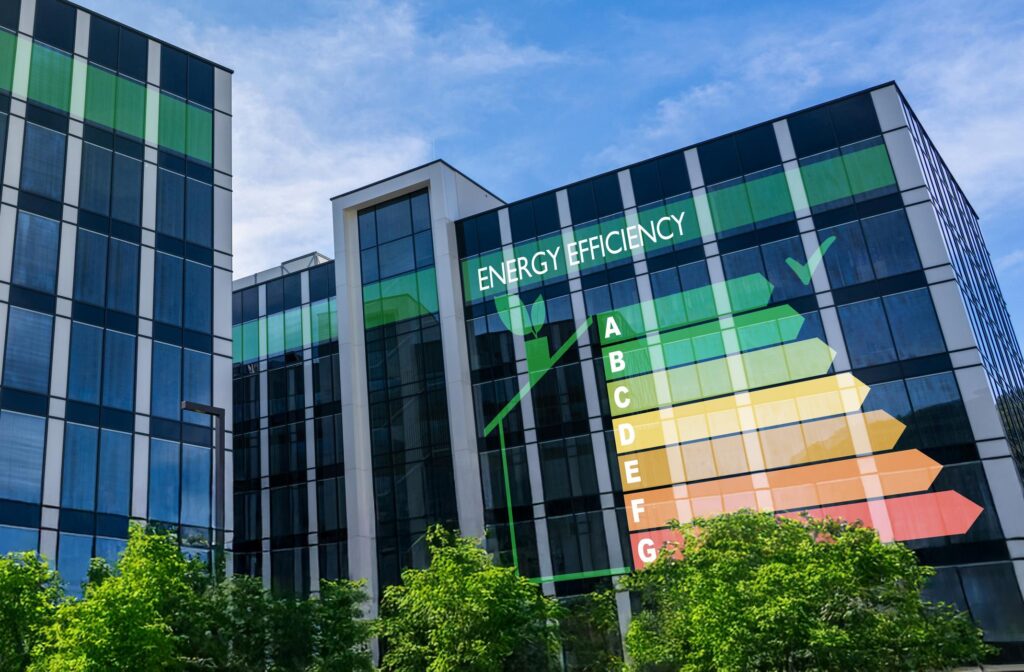
- Certification Advantage – Supports frameworks like LEED, BREEAM, and WELL
- Brand Value – Positions projects as forward-thinking and sustainable
Conclusion: Rethinking the Future of Glass Towers
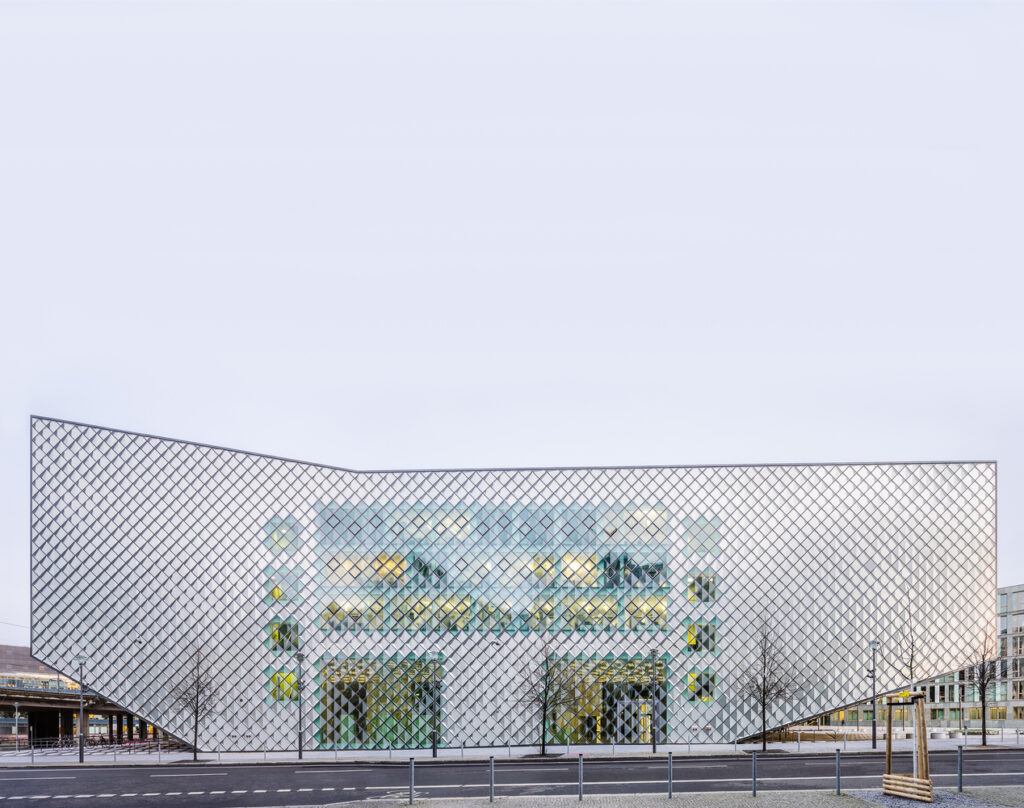
Glass towers are here to stay—but their future lies in adaptation. The next generation of buildings must go beyond aesthetics to embrace performance-driven design.
By integrating technologies like solar skins, architects and engineers can transform glass façades from environmental liabilities into assets that contribute to energy efficiency, occupant comfort, and sustainability goals.
Ultimately, the evolution of glass architecture reflects a broader shift in the industry—from iconic design to intelligent, climate-responsive buildings.
Written by :
Malar Jeyaseelan
BEE Incoporations
